FIFA Inc. — a three-part series on money, power, and the World Cup. Part 1 of 3.
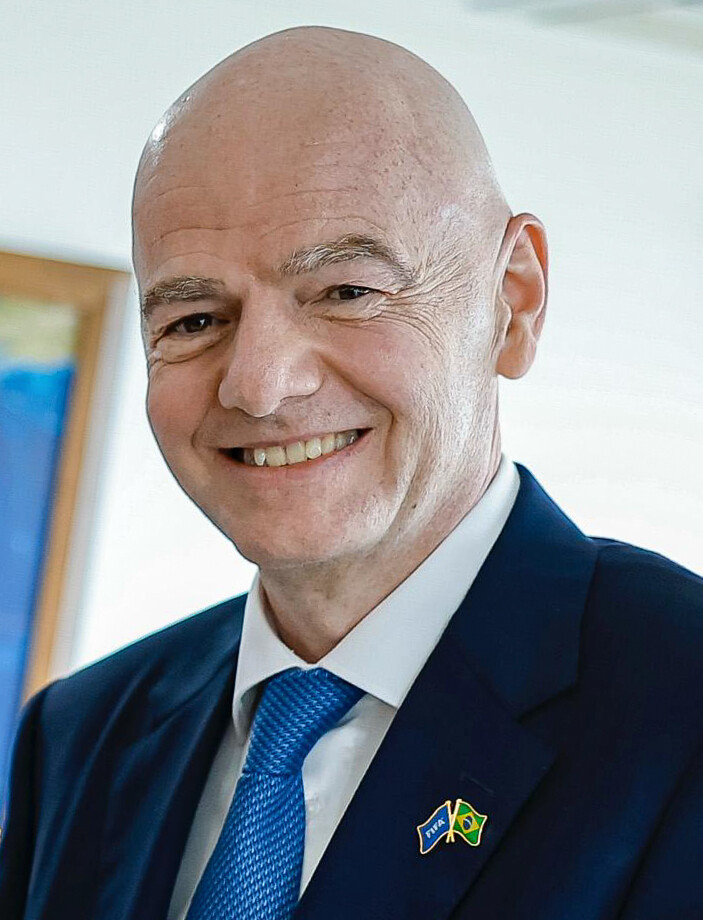
FIFA president Gianni Infantino, under whom the 2026 World Cup introduced dynamic pricing. Photo: Lula Oficial · CC BY-SA 4.0 · via Wikimedia Commons
On July 19, football holds its coronation at MetLife Stadium in the New Jersey Meadowlands. To sit in the best seat FIFA offers for the World Cup final, you will pay $32,970 — one ticket, one match. It is the defining number of the first World Cup ever run like a trading floor.
This is the tournament of dynamic pricing — seats that rise and fall by the hour on demand, the surge model of airlines and rideshares bolted onto the world’s game. Final tickets that opened in the low thousands were driven toward triple that on FIFA’s own portal. On the resale market it turned hallucinatory: finals averaging north of $11,000, a few listings past $2 million.
But the cruelest detail is the smallest. Fans who paid a fortune for the “best available” seats discovered the label was a lie in progress — because FIFA reserved the right to invent better seats in front of them. After the money was in, FIFA carved out new premium “Front Category” zones, dropping fresh rows ahead of the seats it had already sold as the finest in the house. Overnight, the best became second-best; early buyers found themselves shuffled behind the goal or pushed back from the touchline, watching strangers sit where their money was supposed to put them. You cannot even buy the front row anymore. The house keeps a better one hidden, to sell again.
And the house always gets paid — twice. On FIFA’s official resale marketplace, every time a ticket changes hands it takes a cut from both ends: roughly 15% from the seller and 15% from the buyer, a 30% rake on the churn. So the wilder the prices climb, and the more often a seat is flipped, the more FIFA earns on each pass. It doesn’t merely set the odds; it takes a slice of every pot — on the way in and the way out.
The states noticed. In late May, New York Attorney General Letitia James and New Jersey Attorney General Jennifer Davenport subpoenaed FIFA over the eight matches at MetLife, including the final — citing average price hikes of about 34% across the tournament, the untested dynamic-pricing engine, and the Front Category bait-and-switch. California’s Rob Bonta asked for records too. Football’s governing body now finds itself answering to prosecutors in the country it chose to crown its champion.
It is tempting to call this greed gone briefly haywire. It is not. It is the machine working precisely as designed — an institution that long ago decided the planet’s most beloved event was a commodity to be squeezed. To understand a $33,000 seat, you have to go back roughly fifty years, to a Brazilian who found FIFA nearly broke and left it a fortune — and to the king he erased to protect his family.
Sources: ESPN — FIFA triples best final ticket to $33K · NY Attorney General — subpoena announcement · ESPN — NY/NJ subpoena FIFA · CNN Business
FIFA Inc. — the series: Part 1 · The $33,000 Seat · Part 2 · The King & the Kingmaker · Part 3 · Blatter’s Bargain